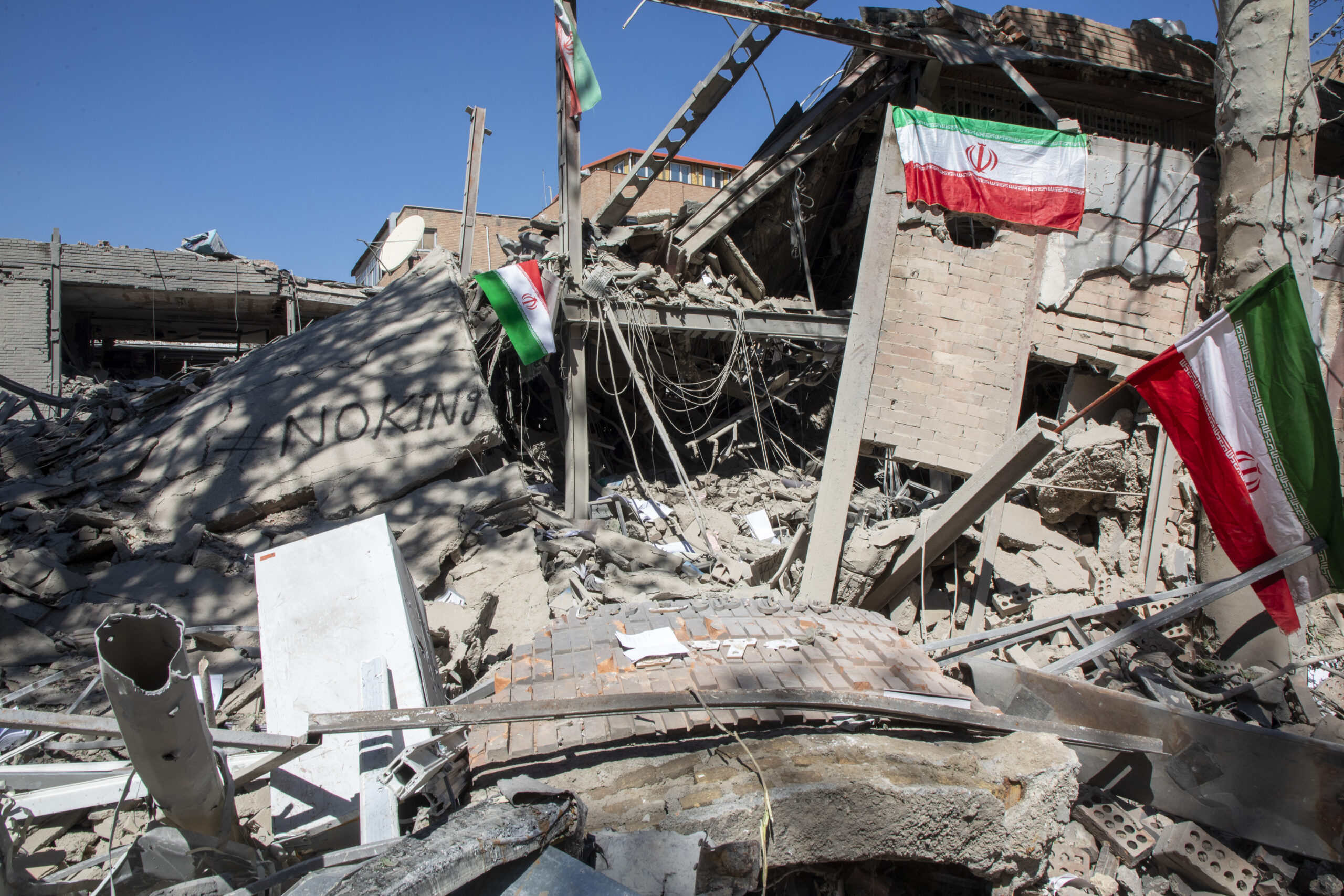




U.S. officials insist that a ceasefire to the Iran War—which entered its 28th day on Tuesday—is still in effect after the truce was tested by several attacks reported in the Strait of Hormuz, with the U.S. and Iran continuing to dispute control over the waterway.
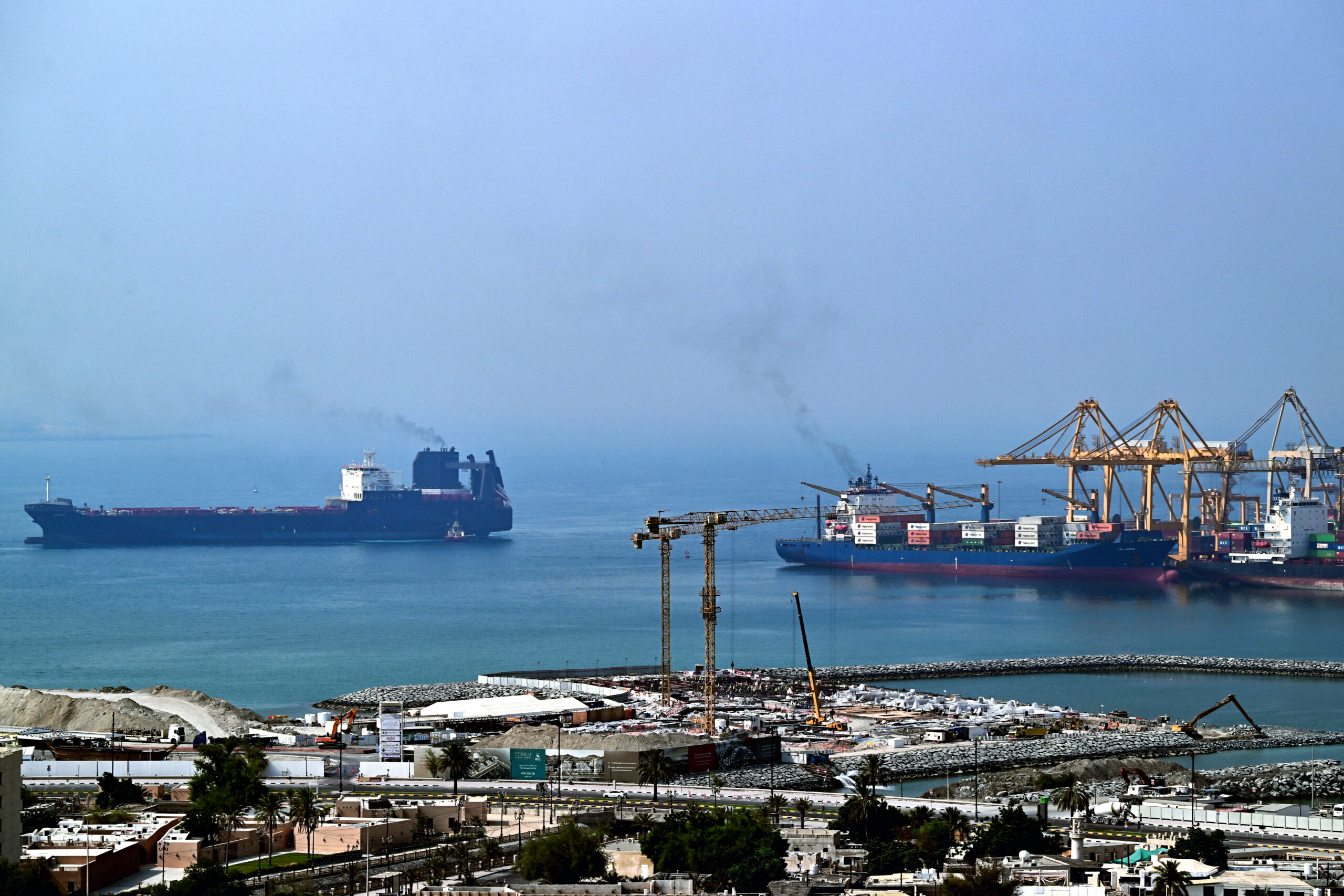
The chairman of the Joint Chiefs of Staff Dan Caine told reporters on Tuesday morning that attacks on ships in the Strait of Hormuz have not crossed what the U.S. views as a threshold for terminating the ceasefire. “Since the ceasefire was announced, Iran has fired at commercial vessels nine times and seized two container ships, and they’ve attacked U.S. forces more than ten times—all below the threshold of restarting major combat operations at this point,” Caine said.
“No, the ceasefire is not over,” Secretary of Defense Pete Hegseth told reporters on Tuesday, reaffirming Caine’s comments.
The head of U.S. Central Command, Adm. Brad Cooper, had told reporters on Monday that the U.S. targeted six “Iranian small boats” that he said were “threatening commercial shipping.” Iran said that U.S. forces killed five people after targeting what Iran described as civilian vessels in the Strait of Hormuz. Cooper told reporters that no U.S. Navy vessels were hit in any of the attacks on Monday, while Iran says that two missiles struck a U.S. destroyer.
A South Korea-flagged vessel, HMM Namu, reportedly caught fire on Monday in an incident whose circumstances are still unclear. All 24 crew members were reported safe, with no casualties.
Danish shipping firm Maersk confirmed on Monday that one of its ships had been successfully escorted by the U.S. Navy out of the Strait of Hormuz.
The United Arab Emirates’ Defense Ministry said on Tuesday that it had intercepted drones and missiles launched by Iran earlier that day. On Monday, a major fire broke out at the UAE’s Fujairah Oil Industry Zone following Iranian missile and drone strikes.
Iran effectively closed the Strait of Hormuz in response to U.S. and Israeli attacks on Iran that began on February 28, 2026, with Iran reportedly charging tolls to the handful of ships Iran permitted to pass each day. President Donald Trump ordered a U.S. blockade of the strait in an attempt to raise pressure on Iran to open the waterway. This weekend, Trump announced “Project Freedom,” in which the U.S. military would escort stranded ships through the strait, which began on Monday.
The standoff over the Strait of Hormuz unfolded as peace talks remained deadlocked. An Iranian proposal, delivered via Pakistani mediators and reported by Tasnim News Agency, demands all issues be resolved within 30 days, including lifting of the U.S. naval blockade, sanctions relief and the release of Iran’s frozen assets, the withdrawal of U.S. forces from areas surrounding Iran, nonaggression guarantees, and an end to Israel’s military campaign in Lebanon.
The Iranian proposal also reportedly calls for “a new mechanism for the Strait of Hormuz,” signaling Tehran’s intent to retain at least some control over the waterway.
Subscribe Today
Get daily emails in your inbox
Iran’s foreign ministry has said the proposal “focused solely on ending the war” and that nuclear talks are off the table at this stage. Several outlets, including Al Jazeera, reported that Iran would negotiate a 15-year moratorium on its enrichment of uranium. Iran’s Fars News has disputed that report, saying that a 15-year moratorium was part of a previous U.S. offer which Iran rejected.
The Lebanese Health Ministry said that Israeli strikes killed 17 people across southern Lebanon in the past 24 hours, while the IDF said that clashes with Hezbollah injured two Israeli soldiers on Monday.
Gas prices continue to rise, with AAA on Tuesday reporting America’s national average is $4.48.
Read the full article here