



Marine Corps Base Quantico, Va. —
In a pivotal step for infantry modernization, the Marine Corps has successfully completed Initial Operational Test and Evaluation (IOT&E) and the early capability release of the Organic Precision Fires-Light (OPF-L) system.
Managed by the Program Manager for Ground Weapons Systems (PM GWS) at Portfolio Acquisition Executive Marine Corps (PAE MC), the OPF-L gives infantry battalions a significant advantage through organic precision strike power. With features like waypoint navigation and target-locking, Marines can guide the munition to its target while maintaining full situational awareness. This allows battalions to strike beyond the enemy’s threat range and dynamically shape the battle before closing with the enemy.
This milestone illustrates how far the program has come in just two years since contract award. “Speed and acceptance of risk have always been the drivers behind this effort, and we have identified any and all opportunities to remove roadblocks and push the limits of acquisition to move quickly,” explained LtCol Jesse Hume, from the Organic Precision Fires program office.
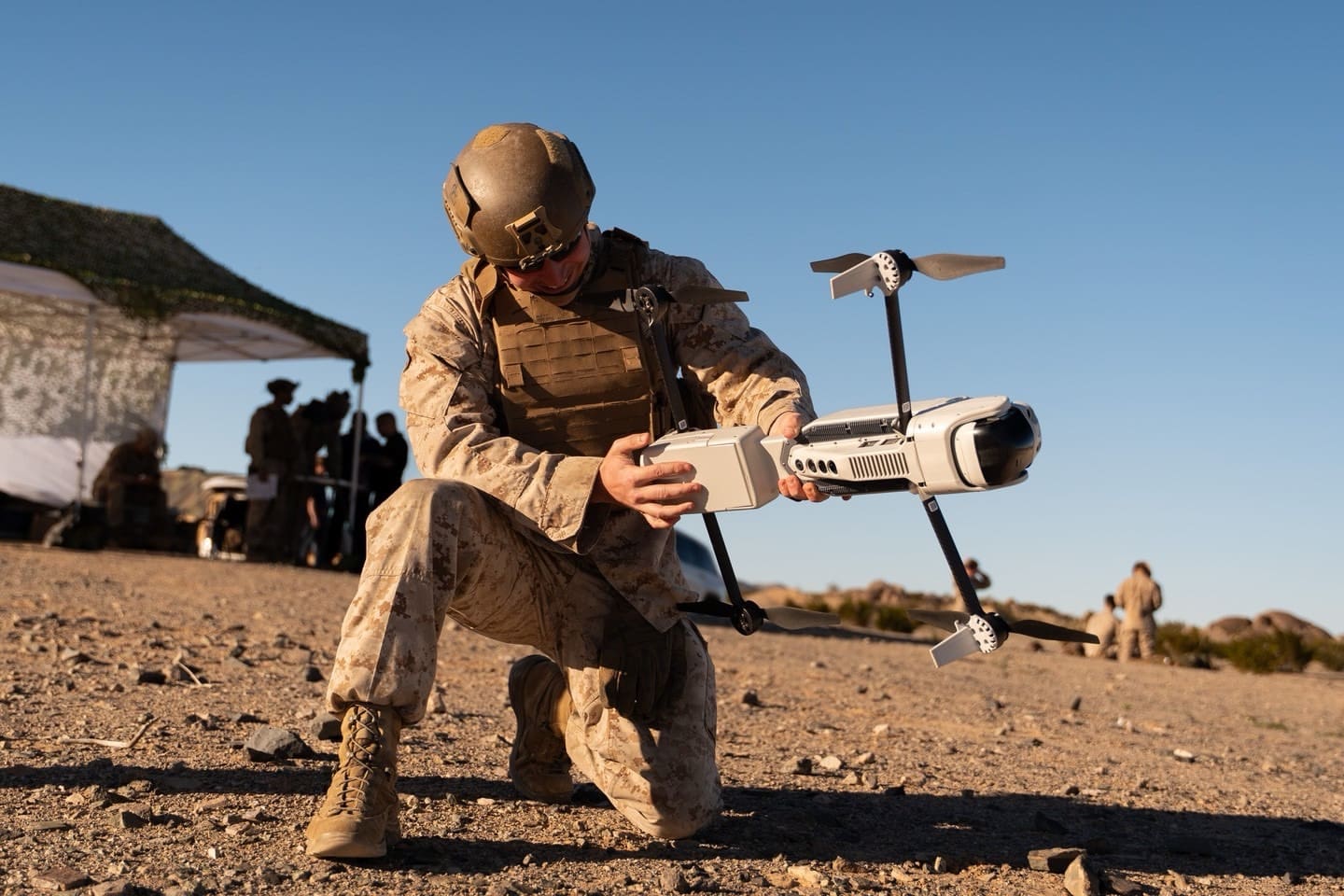

The comprehensive IOT&E tested the full operational sequence of the OPF-L systems. From mission planning and system deployment to target acquisitions, positive identification, and simulated engagement, the event confirmed that the hardware, software, and most importantly, the warfighter, are ready for deployment. This success demonstrates a maturing capability and proves the system’s effectiveness and seamless integration with established infantry tactics.
“This weapon system is important to the Marine Corps because it allows our maneuver element to close on the target without putting any support by fire in the line of sight of the enemy,” said 1st Lt Jaime Alarcon an infantry officer within 1stBattalion, 7th Marine Regiment, 1st Marine Division. “The system allows us to get effects on the target without exposing any of our warfighters to that target.”


The feedback gathered from Marine’s will be vital for refining the training pipeline and informing the final procurement strategy to field the capability at scale. “This early capability release allows us to learn incrementally. If it’s safe, we put it out there, and Marines help refine the solution,” explained Tyler Hall, a project officer for OPF-L at PM GWS.
The capability release signifies a major step forward in the Marine Corps’ Force Design efforts. It moves the concept of a more lethal, distributed, and agile force from a strategic goal to a tactical reality and ensures the infantry squad remains the most decisive element on the modern battlefield.
By Addi Vander Velde, Office of Public Affairs & Communication
Read the full article here