






Negotiations to end the Iran War entered their 20th day on Tuesday after an Iranian attack on a vessel was reported in the Strait of Hormuz near Oman’s coast.
The vessel—identified as a Qatari-owned, liquefied natural gas carrier Al Rekayyat—was damaged in the incident, with no casualties reported onboard.
A Saudi-flagged crude oil tanker was reportedly struck as well.
The incidents came after warnings by Iran’s central military command that vessels seeking to transit through the Strait of Hormuz must coordinate passage with the Iranian government and follow designated routes, or face an “immediate and forceful response.”
Subscribe Today
Get daily emails in your inbox
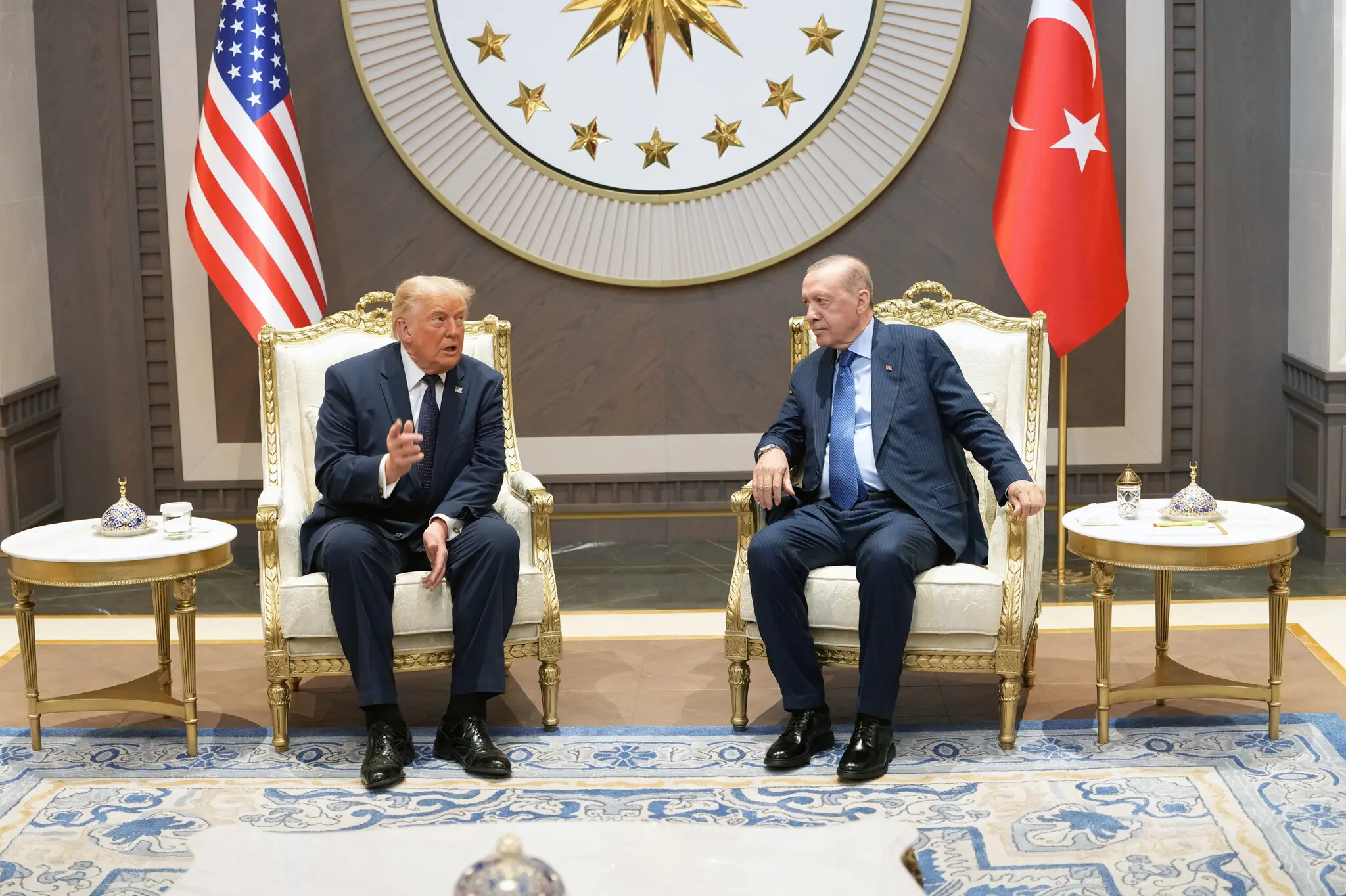
In a joint press conference with Turkey’s President Recep Tayyip Erdogan at the NATO summit in Ankara on Tuesday, President Donald Trump signaled that the U.S. would likely sell Turkey F-35 fighter jets. “Many people, including the people sitting right here [referring to Erdogan] think, Why wouldn’t we do that? Turkey has been in many ways much more loyal than other countries that we think would be loyal.”
Later, Trump announced that the U.S. will be lifting sanctions on Turkey, a member of the NATO alliance: “We’re going to be taking the sanctions off. It’s time to do that. Okay, we don’t want to sanction friends. It’s very simple. There’s plenty of people we can sanction.” In December 2020, the U.S. State Department had levied sanctions against Turkey over its purchase of the S-400 surface-to-air missile system from a sanctioned Russian arms company.
Trump’s statements come in defiance of pressure from Israel and its lobby in America to take a more aggressive posture toward Turkey. Israel’s Minister of Diaspora Affairs Amichai Chikli declared in June that the “Turkey of Erdogan and Syria of al-Sharaa are now far more concerning than Iran,” while Israel’s Culture and Sports Minister Miki Zohar argued in May that Israel “must begin to treat Turkey as an enemy state.”
Read the full article here
